A few months ago, I was speaking with the CEO of a U.S.-based manufacturing company that had expanded aggressively into Mexico. On paper, the operation was performing well. Margins were stable. Output was strong. Headcount targets were met.
And yet, he hesitated.
“I don’t feel fully confident,” he told me. “The numbers look fine, but I’m not sure I’m getting the full picture.”
This is a conversation I have more often than people realize.
The tension between U.S. headquarters and leadership teams in Mexico is rarely about competence. It is usually about expectations that were never made explicit.
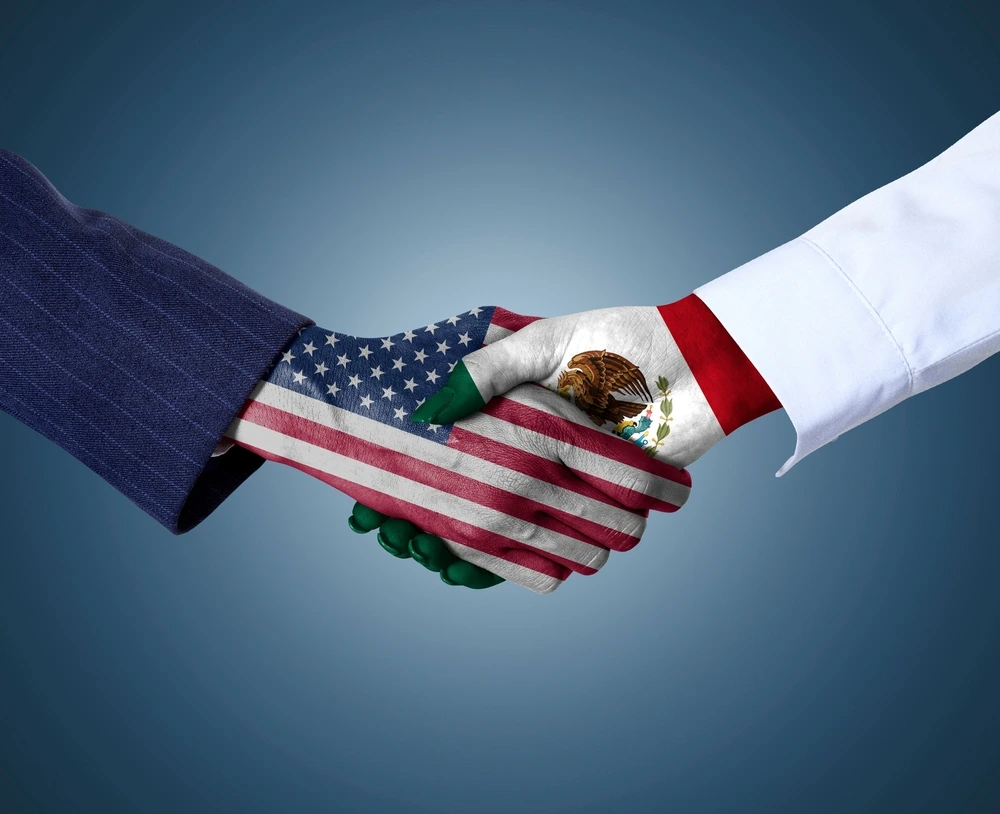
If cross-border operations are going to succeed long term, we have to talk honestly about what boards, CEOs and U.S. HQs really expect and what leaders in Mexico must understand to earn lasting trust.
Proactive Transparency, Not Reactive Reporting
Most executives in Mexico are disciplined operators. They understand KPIs, plant metrics, cost control, and compliance. They send detailed reports. They respond quickly when asked for updates.
What many U.S. headquarters expect, however, goes beyond reporting accuracy. They expect anticipation.
Boards and CEOs want to know what could go wrong before it does. They want context, not just data. They want to understand risk exposure, talent vulnerabilities, cultural friction, supply chain constraints and customer pressure before it escalates.
Recent analysis from Deloitte Insights on global supply chain resilience amid disruptions highlights how industrial companies are moving away from reactive crisis management and toward structured scenario planning and proactive risk visibility. That shift in mindset extends beyond operations. It influences how headquarters evaluate leadership at the local level.
When leadership in Mexico waits to be asked for clarification, top corporate management may interpret that as passivity. When a leader proactively frames an issue, outlines options, and recommends a path forward, headquarters reads that as ownership.
The difference is subtle, but it changes everything.
Strategic Alignment Beyond Execution
Many Mexico-based leaders were promoted because they are exceptional executors. They deliver results. They stabilize operations. They solve problems quickly.
But U.S. corporate decision-makers often evaluate leaders through a broader lens.
They are asking:
Is this person thinking about capital allocation the way we do?
Do they understand how this site fits into our five-year strategy?
Can they connect operational decisions to shareholder expectations?
Harvard Business Review’s research on transformational leadership highlights that effective senior leaders connect operational decisions to enterprise-level strategy rather than managing in isolation.
Strong local performance is necessary. It is not sufficient.
For leaders in Mexico, this means stepping beyond operational mastery. It means speaking the language of long-term positioning, not only quarterly output. It means understanding how their decisions influence board-level conversations.
From the corporate headquarters perspective, when local leaders stay narrowly focused on execution, it creates doubt about readiness for greater responsibility.
Cultural Fluency in Both Directions
Fluency in English is important, but it is not what builds confidence at the senior corporate level.
What truly matters is cultural fluency upward.
Can a leader translate local realities into financial and strategic implications that resonate with a U.S.-based board?
Can they explain labor market pressure, regulatory shifts, or supplier constraints in a way that aligns with corporate risk tolerance?
This does not mean abandoning local leadership style. It means understanding how trust is built differently at the U.S. corporate office.
In many U.S. corporate environments, trust is built through direct communication, early disclosure of risk, and visible strategic thinking. When local leaders soften issues or delay difficult conversations out of caution, it can unintentionally erode confidence.
The gap is rarely about ability. It is about interpretation.
Where the Disconnect Begins
In my experience, when there is tension between U.S. executive management and local Mexico leadership teams, it almost never starts with bad numbers. It starts with something much quieter.
Expectations that were never clearly said out loud.
Top corporate management often believes that anticipating issues and raising them early is simply part of senior leadership. Many local leaders believe that if the operation is delivering strong results, that performance should speak for itself.
Both perspectives make sense.
I have worked with executives in Mexico who are doing an extraordinary job. They are managing growth, labor pressure, cost constraints, and constant change. They are building teams and protecting performance at the same time. The capability is there.
But I have also sat in boardrooms and corporate decision-makers in the U.S. where the pressure feels very different. Capital is being questioned. Risk is being dissected. Every international operation is being evaluated not just for performance, but for predictability.
In that environment, trust becomes less automatic.
When leaders in Mexico begin to understand that context, their posture changes. They do not just report outcomes. They frame implications. They surface concerns early. They connect their local decisions to enterprise priorities.
That is usually the turning point.
That is when corporate headquarters stops seeing them only as strong operators and starts seeing them as strategic partners.
What This Means for Mexico Executives and for Boards
For executives in Mexico, the message is clear.
Strong performance is the starting point. Strategic anticipation, transparent communication, and upward alignment are what differentiate leaders who advance from those who plateau.
For U.S. corporate headquarters, there is also responsibility.
If expectations remain implicit, misalignment is inevitable. Boards and CEOs must articulate what they value in cross-border leadership. They must clarify how trust is measured, how risk should be escalated, and what strategic thinking looks like in practice.
In our work at Barbachano International, we see this dynamic play out repeatedly in executive searches. The leaders who succeed in multinational structures are not only technically strong. They understand how to operate within two corporate cultures at once. They know how to build confidence across borders.
That capability is no longer optional. It is central to long-term cross-border success.
The companies that recognize this early will build stronger Mexico operations. The leaders who internalize it will find themselves invited into larger conversations, not just operational reviews.
And in today’s environment, access to those conversations is what defines true executive influence.
By Fernando Ortiz-Barbachano
President & CEO of Barbachano International
Barbachano International (BIP) is the premier executive search and leadership advisory firm in the Americas with a focus on diversity & multicultural target markets. Since 1992, BIP and its affiliates have impacted the profitability of over 50% of Fortune 500 Companies. BIP has been recognized by Forbes as Americas’ Best Executive Search Firms and currently ranks #8 and #3 on the West Coast.